

Introduction: Is Self-Drive Right for Your Rwanda Trip?
Rwanda is one of the few countries in Africa where first-time visitors regularly choose to drive themselves. The reasons are easy to see: smooth main roads, clear signage, short distances and a reputation for orderly, disciplined traffic. A self drive car rental in Rwanda lets you leave Kigali when you like, stop at a viewpoint because the light is good and linger over lunch beside Lake Kivu without watching the clock.
Self drive car rental is not right for everyone, though. Steep hills, sharp bends, motorbike taxis and rainy-season mud call for confidence and preparation. This guide helps you decide whether self-drive suits you, then walks through requirements, vehicles, insurance, routes and safety so you can set off prepared.
Self-Drive Rental Explained
With Self Drive Car Rental Rwanda you are the only driver responsible for the vehicle during the rental period. You collect the car, sign the agreement, leave a security deposit and return it at the end. Unlike chauffeur-driven options, there is no local driver to handle navigation, parking, road conditions or breakdown coordination. You gain independence, and you take on the responsibility.
Advantages
- Complete control over timing, stops and route changes
- Privacy for couples, families and small groups
- Often lower cost than hiring a driver, especially for longer trips
- The satisfaction of exploring at your own pace
Challenges
- Unfamiliar roads, hills and local driving habits
- Navigation in areas with patchy mobile coverage
- Personal responsibility for fines, damage and breakdown handling
- Tiring days when long drives follow early treks
Who Should Self-Drive in Rwanda?
Self Drive Car Rental Rwandatends to suit you if you:
- Have solid driving experience, including hills and winding roads
- Are comfortable driving on the right-hand side
- Enjoy reading maps and navigating with offline apps
- Have a flexible itinerary with realistic daily distances
- Are traveling in the drier months or have chosen a capable vehicle
A driver may suit you better if you are arriving exhausted, have an early gorilla-trekking briefing, feel uneasy on mountain roads or want local insight along the way. Many travelers combine both: a driver for park days and self-drive for easier stretches.
Requirements to Rent Self-Drive
Rental companies set their own rules, and regulations can change, so always confirm current details with your provider and the relevant authorities. Commonly requested items include:
- Passport and visa or entry authorization
- Valid driving licence from your home country, usually held for a minimum period
- International Driving Permit, recommended and sometimes requested by providers or police
- Payment card for the security deposit
- Minimum age, which varies by company and vehicle class
- Listed drivers: everyone who may drive must be named on the agreement
Visitors can generally drive on a foreign licence for a limited time, but conditions differ for longer stays.
Choosing the Right Vehicle for Self-Drive
| Vehicle | Best for | Notes |
| Economy car | Kigali and paved highways | Cheapest and easy to park, limited clearance |
| Compact SUV | Couples, highways, light gravel | Comfortable and economical in dry weather |
| Mid-size 4×4 | Families, Musanze, mixed terrain | Recommended for most self-drive itineraries |
| Safari 4×4 | Akagera and rough tracks | High clearance, often with pop-up roof |
| Pickup double cab | Camping and gear-heavy trips | Rugged and practical |
For gorilla trekking, Akagera, Nyungwe or any rainy-season travel, a 4×4 is the safer, more comfortable option. Automatic and manual options may both be available, so request what you are comfortable driving.
Insurance: What Self-Drivers Must Understand
When you drive yourself, insurance details matter more because you carry the financial exposure. Ask the provider to confirm in writing:
- What is covered: collision damage, theft, third-party liability, tyres and windscreen
- The excess (deductible) you would pay after an incident
- Whether cover applies on unpaved roads and inside national parks
- Exclusions: undeclared drivers, night driving, negligence or unapproved routes
- Accident procedure: whom to call, whether a police report is required and what to do about repairs
- Breakdown support: how fast a replacement vehicle or mechanic can reach you outside Kigali
Check whether your travel insurance or credit card adds rental cover, and read the exclusions carefully.
Understanding Self-Drive Costs
Prices vary by vehicle class, season, rental length, mileage terms, insurance level and booking date. Peak periods, usually the drier months, are pricier and book out earlier. Longer rentals often carry lower daily rates.
Budget beyond the daily rate for:
- Fuel, especially on long park routes
- Insurance upgrades to reduce your excess
- Parking, where applicable
- Park entry vehicle fees
- Extras such as GPS, child seats or camping gear
- The refundable security deposit
Always request an itemized, all-inclusive written quote. A low headline rate can become expensive once mileage limits and fees are added.
Best Self-Drive Routes in Rwanda
Kigali to Musanze (Volcanoes National Park). A scenic, mostly paved drive of roughly two to three hours. It is an easy introduction to Rwandan roads, though trailhead approaches can be steep and slippery.
Kigali to Akagera National Park. A straightforward approach followed by unpaved game-drive tracks. A high-clearance 4×4 is strongly recommended.
Kigali to Lake Kivu. A spectacular winding route to Gisenyi, Kibuye or Cyangugu. Sharp bends and elevation changes demand steady driving and good brakes.
Lake Kivu to Nyungwe Forest. Long, dramatic and often misty. Start early and drive carefully on wet roads.
Kigali to Huye. A calm southern route for museums, markets and quiet countryside.
Plan generously. Hills, villages and photo stops make journeys longer than navigation apps suggest.
Rules of the Road
- Rwanda drives on the right.
- Seat belts are mandatory.
- Speed limits are enforced through cameras and police checks, with lower limits in towns.
- Carry your licence, passport copy and rental papers at all times.
- Single-use plastic bags are restricted, so avoid bringing them.
- Follow police instructions at roadside checks, and keep documents easy to reach.
Practical Safety Tips for Self-Drivers
- Avoid driving after dark. Visibility drops quickly near the equator, and unlit hazards are hard to see.
- Start early. Daylight is your best ally on mountain roads.
- Keep distance from moto-taxis, which stop and turn quickly.
- Use lower gears downhill rather than relying only on brakes.
- Refuel in larger towns before heading to rural areas.
- Download offline maps and carry a power bank.
- Carry water, a torch and a basic first-aid kit.
- Slow down in villages, watching for children, cyclists and livestock.
- Check the spare tyre and jack before leaving the rental office.
- Save the breakdown number in your phone.
Pick-Up and Return Checklist
At pick-up, photograph every scratch, dent and chip, check tyre tread and test lights, wipers and air conditioning. Record fuel level and mileage, and ask how to use four-wheel drive if fitted. At return, refuel according to the policy, inspect the vehicle together with the provider, compare with your photos and ask for written confirmation of its condition and your deposit refund timeline.
Can You Self-Drive Across the Border?
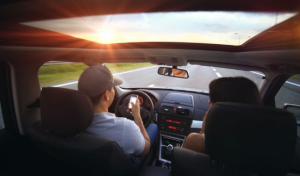
Do not assume you can. Many providers forbid cross-border travel, and those that allow it require written authorization, extra paperwork, valid cross-border insurance and sometimes a fee. Neighboring Uganda drives on the left, so crossing means switching sides. Renting separately in each country is often simpler.
Conclusion
Self drive car rental in Rwanda is one of the most rewarding ways to experience the country. Good main roads, short distances and orderly traffic make it approachable, while the hills, parks and rainy seasons reward preparation and the right vehicle. Confirm requirements early, choose a 4×4 if your route includes parks or trailheads, read the insurance terms closely and compare itemized quotes before paying a deposit.
Drive in daylight, allow generous time, keep your documents handy and inspect the vehicle thoroughly at pick-up. If you prefer, mix self-drive with a driver for demanding days. With the right planning, taking the wheel in the Land of a Thousand Hills can be the most flexible and memorable part of your journey.
Key Takeaways
- Rwanda is considered one of Africa’s easier countries for self-drive visitors.
- Confirm licence, International Driving Permit and age requirements with your provider.
- A 4×4 is recommended for parks, trailheads, rural lodges and wet-season travel.
- Understand insurance cover, excess and exclusions before you pay.
- Compare itemized, all-inclusive quotes covering mileage, fuel and fees.
- Rwanda drives on the right; avoid night driving and expect hills and moto-taxis.
- Photograph the vehicle at pick-up and return, and keep all paperwork.
- Cross-border self-drive needs written permission, extra paperwork and a driving-side switch.
Frequently Asked Questions (FAQ)
Is self drive car rental available in Rwanda?
Yes. Many providers in Kigali offer self-drive vehicles, including saloons, SUVs and 4x4s, with airport or city pick-up.
Is it safe to self-drive in Rwanda?
Rwanda is widely regarded as one of Africa’s more orderly countries for driving. Take normal care around hills, bends, motorbikes and pedestrians, and avoid driving at night.
What documents do I need?
Usually a passport, valid driving licence, payment card for the deposit and, where advised, an International Driving Permit. Requirements vary, so confirm with your provider.
Which side of the road do they drive on?
The right-hand side.
Do I need a 4×4 for self-drive?
Not for Kigali or main paved roads. For Akagera, gorilla trekking areas, rural lodges and rainy-season travel, a 4×4 is safer and more comfortable.
How much does a self drive car rental cost?
It depends on the vehicle, season, rental length, mileage terms and insurance level. Ask for an itemized, all-inclusive written quote to compare offers fairly.
What does the insurance cover?
Commonly collision damage and third-party liability, but terms vary. Ask about the excess, exclusions, tyres, windscreen and unpaved roads.
Can I take a self-drive car to Uganda?
Only with the provider’s written permission, correct documents and valid cross-border insurance. Uganda also drives on the left.
What if the car breaks down?
Call your provider’s breakdown number immediately. Confirm before booking how quickly help can reach you outside Kigali.
How early should I book?
In peak seasons, book several weeks to a few months ahead, especially for popular 4×4 models.